
Fashion listings need content discipline because shoppers cannot try the item before ordering. A label such as small or regular fit is not enough on its own. Make the product’s measurements, appearance and available variations clear before planning a campaign.
Apparel and footwear was the largest online category in the UAE, at AED 11.4bn in 2025, according to Euromonitor International’s UAE e-commerce report, shared via Zawya. That describes the market, not your likely sales. Build the range around products you can describe and fulfil accurately.
Make sizing usable
Provide a size chart appropriate to the actual item, rather than copying a generic chart across the assortment. Explain whether measurements describe the garment or the body. State the measurement units and how the shopper should take a measurement.
Add factual fit notes where they help: the cut, stretch, fastening and intended shape. Do not promise that a garment fits every body type. Check that the chart matches the product delivered by the supplier and revisit it when the specification changes.
Set up colour and size variations correctly
Give each sellable size and colour combination an accurate stock record. Make the selected option agree with its photograph, description and identifier. Similar colour names can create confusion, so use consistent naming and inspect the product rather than relying on a supplier’s file alone.
On Amazon, Noon, Trendyol and Carrefour, variation structures and allowed relationships depend on the category and platform. Before combining items or changing a listing family, check the current rules in the seller portal. Do not group unrelated garments merely to place them together.
Show the same item clearly
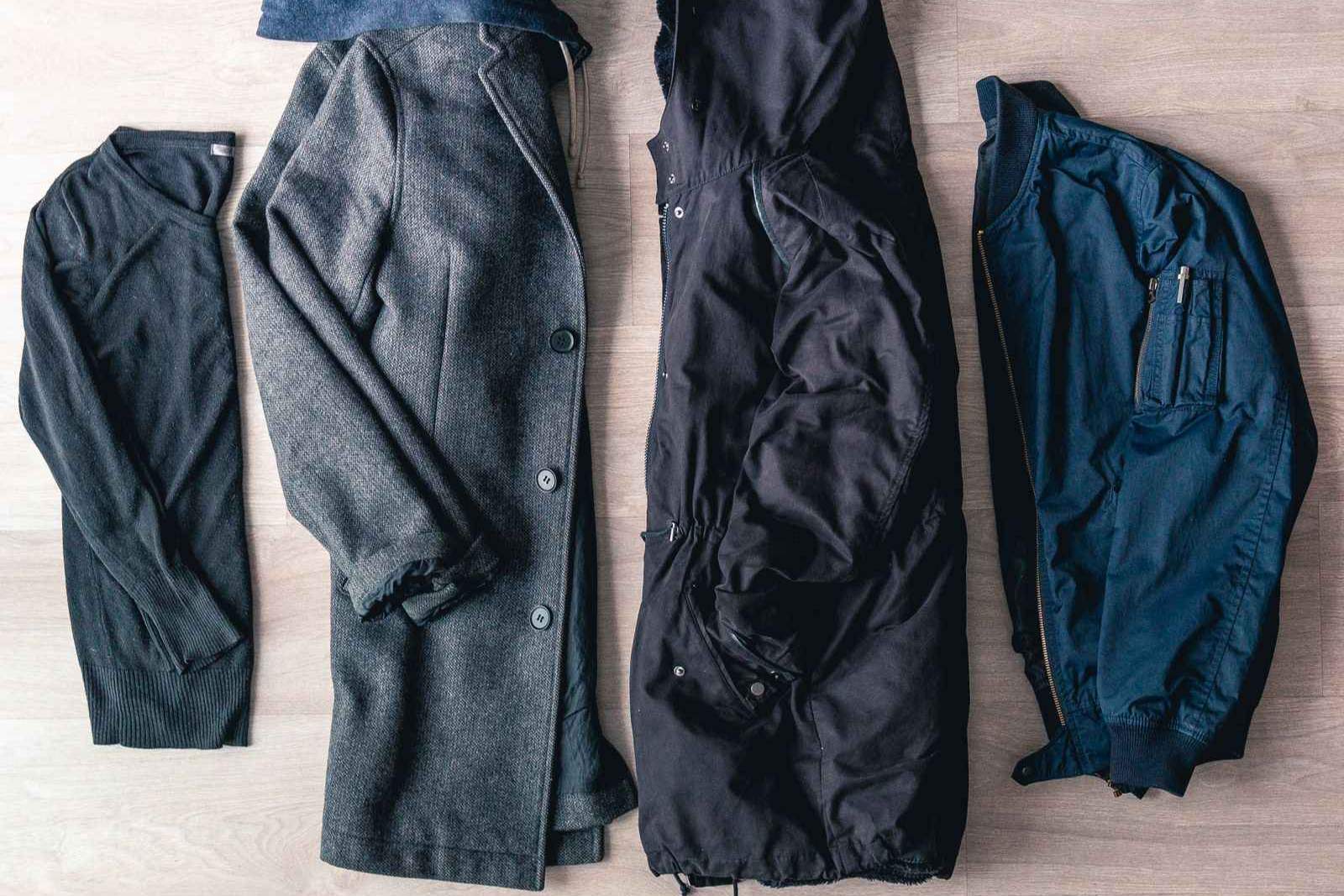
Use several images of the same item to show the front, back and relevant details. Include fabric texture, closures or construction where these affect the decision. Keep colour presentation consistent and avoid editing that changes the apparent product.
When a model is shown, keep styling separate from what is actually included. Explain whether accessories are part of the offer. Match images to the selected variant and check the listing on a phone so important details remain understandable.
Price with returns in mind
Assess price using product cost, fulfilment, packaging and the expected work of processing returns. Make your own assumptions explicit and review them against your records. Do not import a supposed category return rate or promise that improved content will produce a particular reduction.
Define how returned items are inspected, recorded and made available again where appropriate. Confirm returns eligibility, customer-facing wording and handling requirements for each platform. Accurate guidance should support a decision, not discourage a customer from using their rights.
Plan the seasonal calendar
Prepare campaigns around the range, available sizes and stock you can supply. Confirm offer wording, imagery and pricing before scheduling advertising. Avoid promoting a style whose available variations no longer match the campaign image.
Before a sale
- Verify size charts and fit notes against the actual item.
- Check colour and size relationships in the seller portal.
- Match every selected variation to its images and stock.
- Confirm what is included in the offer.
- Review pricing and the returns-handling process.
- Assign someone to check availability during the campaign.